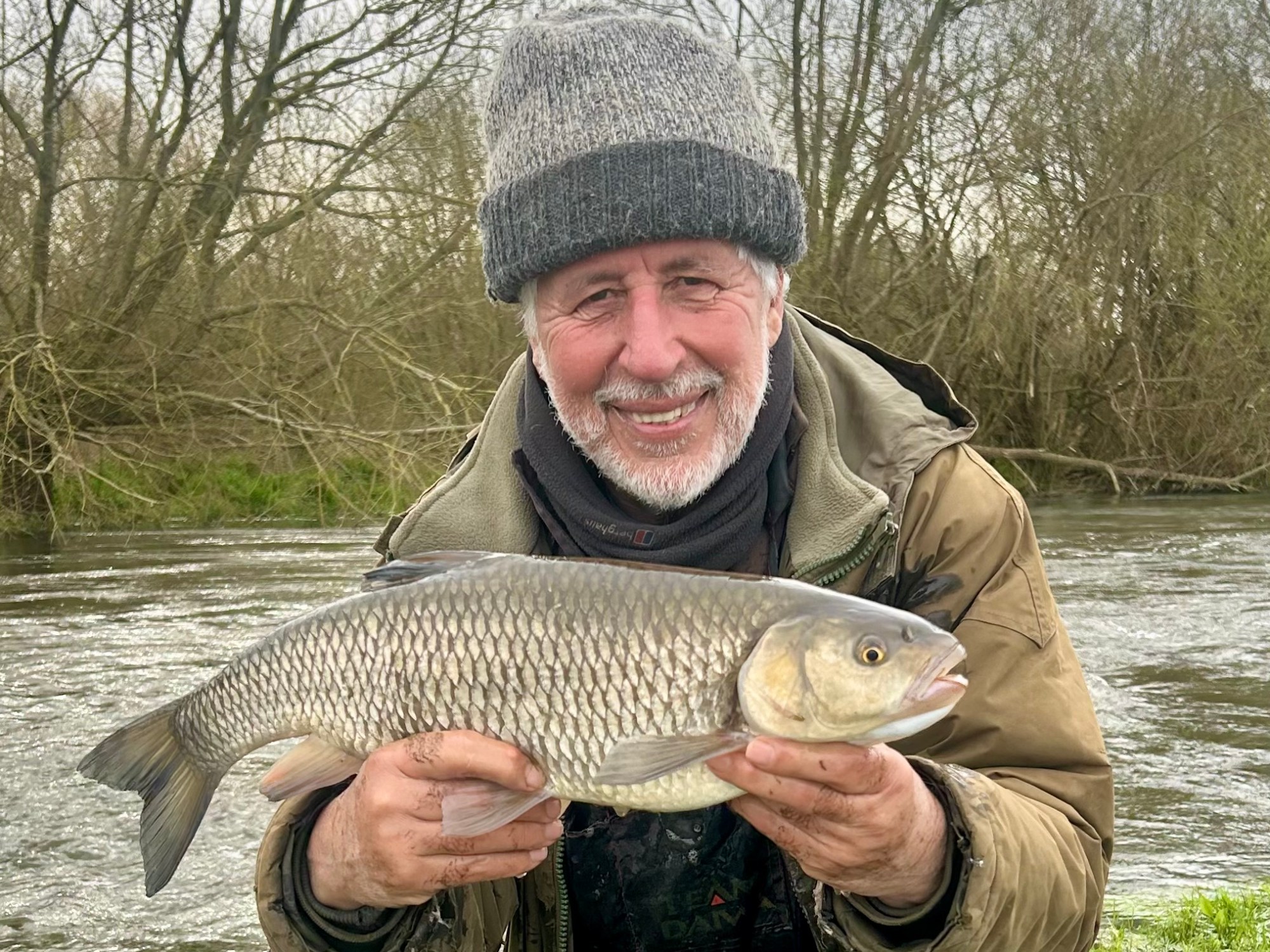
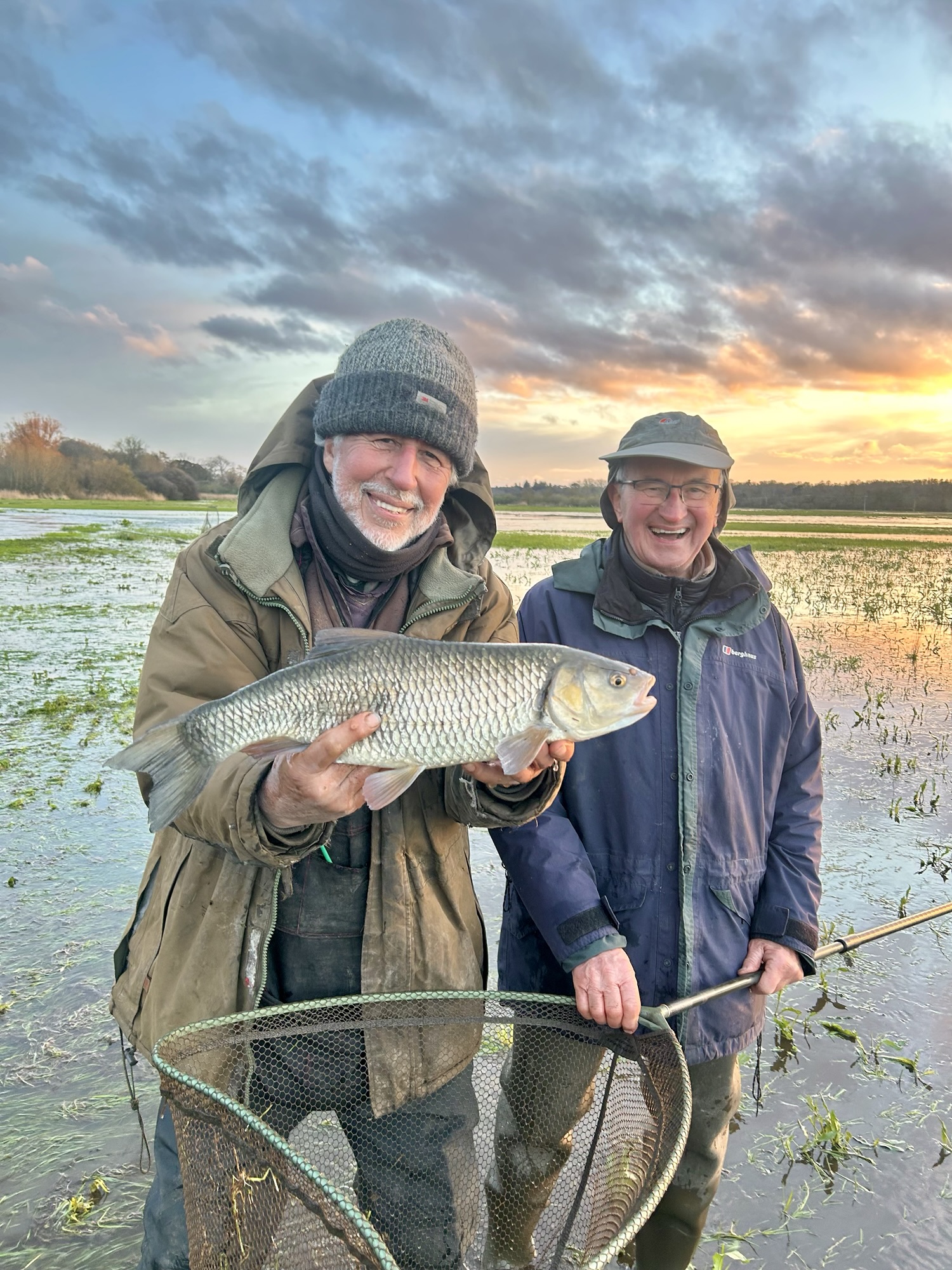
Every year I look forward to the colder months when the weed dies back and rivers come into prime condition. Not so this year as the summer heatwave and autumn drought was followed by almost perpetual flooding from November until the beginning of March. For us Thames chub enthusiasts it was a bloody horrible winter with the river virtually unfishable for 90% of the last three months of the season. Typically, it all came good just as we had to stop fishing. In the last few days I guided my mate Mark to a personal best chub of 6.05 from the upper river and my final trip to a very swollen but clear Hampshire Avon saw me end the season in style with a ten fish float caught haul including several fighting-fit, five pounders. And then, for no reason at all, it was all over.
A lovely Hampshire Avon chub caught on March 13 – ‘fit as a butcher’s dog’ and nowhere near spawning!
I don’t want to sound like a broken record but nothing I’ve seen in 60 years of angling has convinced me that the current arbitrary dates, set in 1878, for the coarse fishing river close season make any sense at all. Let’s look at the arguments for keeping the status quo.
- The fish need a break
Really? With climate change delivering ever increasing extreme weather patterns our rivers are barely fished throughout the winter months. So from what thing is this break required because it certainly isn’t any form of meaningful fishing pressure. Plus the climate scientists tell us that the situation is likely to worsen as the planet heats up.
2) The fish need protection during the spawning period
I’m certainly not going to argue with this one. Handling weak and gravid fish is not a good thing but for goodness sake let’s look at dates that are actually relevant and based on facts. How is it that I can’t fish for chub on March 16th that are fit as ‘butcher’s dogs’ and two months away from spawning yet I can legally target them on June 16th when they are at their weakest and often discharging milt or eggs on capture. The same goes for barbel. Like I said, it makes absolutely no sense.
3) The current close season covers all species
No it doesn’t. Dace usually spawn in February followed closely by grayling so they are usually done and dusted before March 15. The same applies to pike, possibly our most vulnerable species and if we had any sense at all we’d follow the example of other European countries and have a separate pike season starting on, say, March 1st.
Nothing much then happens until mid-April when perch and then roach start their nuptials followed in early May by the bream. Thanks to the groundbreaking work of the Avon Roach Project we know a lot more about the sex lives of river roach and how the daylight length in the third week of April is the main trigger for spawning as water temperatures or other factors. In fact, Trevor Harrop sent me a message only last week to say that the Avon roach had begun their nuptials right on time on April 25th.
By mid-May the barbel and chub are congregated on the gravels and spawning activity can be often be seen from the end of the month right though and beyond the the very close season that is supposed to protect them.
I’ve said it before in previous articles but the evidence is irrefutable in my opinion. We end too soon and we start to early. That’s why people like myself and the respected Trent specialist, Bob Roberts, have consistently argued the case for reforming this outdated nonsense.
https://fightingforfishing.anglingtrust.net/2018/03/18/three-views-on-the-river-close-season/
Putting my own long held views to one side this is a difficult issue for the Angling Trust as opinion is split in the angling community. As a national representative body it is much more productive for us to be focussing on issues that unite rather than divide us. However we launched the debate on the river close season back in 2014 when I published this piece calling for a rethink.
https://fightingforfishing.anglingtrust.net/2014/03/03/river-close-season-is-it-time-for-a-rethink/
Close Season Review – 2018
After a lot of hard work and lobbying we eventually persuaded the Environment Agency to conduct a thorough review in 2018 to establish if there was an evidence base for the continuation of the river close season. Fish spawning times were established, fishery legislation was examined from other jurisdictions and the impacts of disturbing or handling spawning fish were also considered. In addition there was a major review of all the available published literature which can be read in full HERE.
For ease of reference I’ve summarised the findings below starting with the evidence relating to the three species not covered by the current river close season.
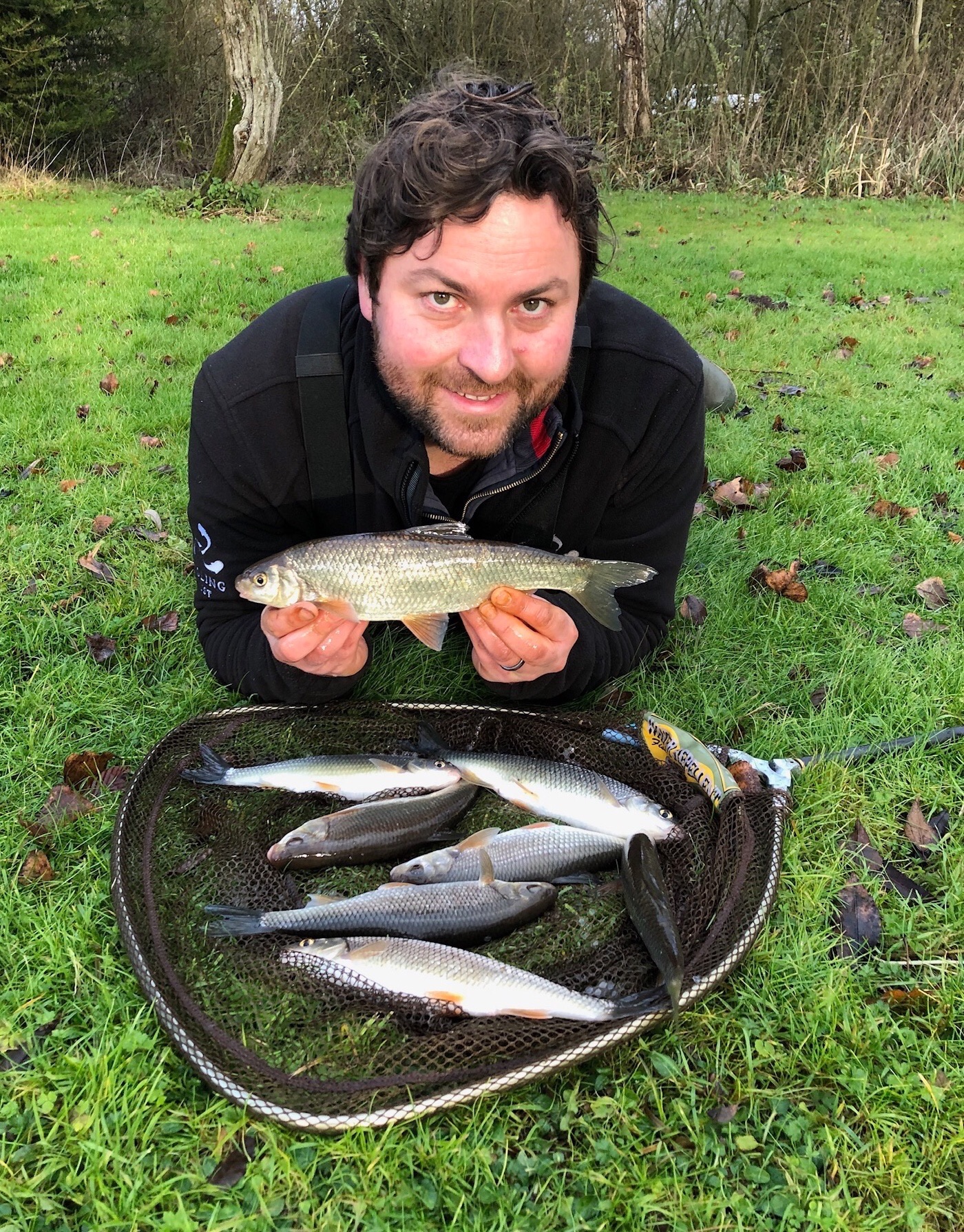
Dace
Spawning timing and behaviour of dace were confirmed as stated and there was some evidence of their to disturbance although as anglers know dace will usually spawn in tributaries and shallow areas well away from the usual angling stretches.
Conclusion:
“Some vulnerability during spawning, but direct angling impacts not strongly evidenced.”
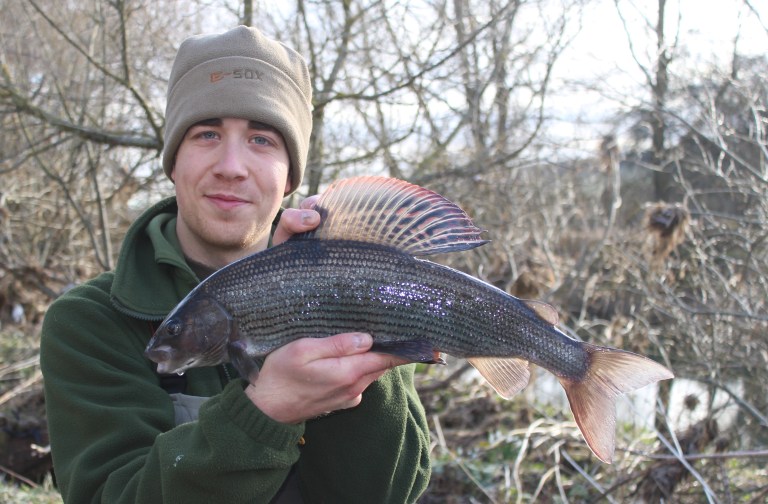
Grayling
As stated grayling have an early spawning period which overlaps with the close season. They are a popular winter angling species but are also regularly caught out of season by trout anglers as they inhabit similar habitat to trout. Grayling are prolific spawners and angling during their spawning period either by coarse or game anglers appears to have little effect on productivity.
Conclusion:
“Some potential for disturbance during spawning, but again limited direct evidence of angling harm.”
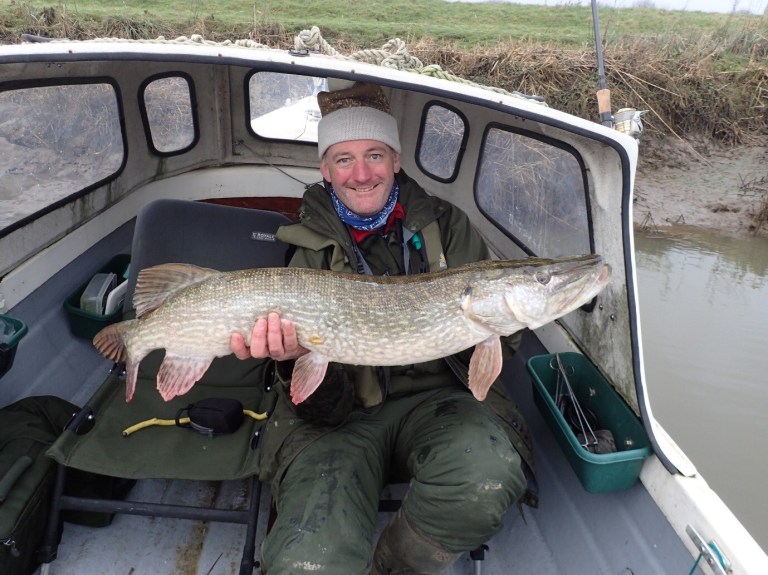
Pike
Early spawning (often before the close season begins). Handling risks most during spawning and also in warmer temperatures
Conclusion:
“Close season timing doesn’t align well with pike spawning, and welfare concerns exist in warmer months.”
Main literature review
In general terms the review covered:
- Broad scientific evidence on angling impacts during spawning
- Effects of disturbance, handling, and catch-and-release
- Seasonal vulnerability of coarse fish
Conclusions:
“Evidence for harm from angling during the close season is mixed and often limited, with impacts varying by species and conditions.”
The full evidence base ran to many thousands of words and be found here for anyone with a few hours reading time to spare.
Were all views represented in the process?
Like many contentious subjects in the world of angling there was a lot of tosh talked about this process. It was – ‘fixed, biased, not thorough enough, evidence light’ or whatever particular theory fitted the world view of the protagonist. I doubt more than a handful of people bothered to read the evidence papers before rushing to judgement so here’s a few facts:
- a mass of evidenced was gathered
- all available literature was reviewed
- the process was overseen by a balanced panel of experienced anglers representing the three main strands of opinion.
- Dave Harrell (abolition)
- Pete Reading (retain)
- Martin Salter (reform)
At no point did Pete, Dave or myself have cause to question the process or the publication of the evidence papers. We differed on the position that the Environment Agency eventually took but I’ll come on to that later. The review had integrity and was as robust as the time and resources allowed.
What other expertise was involved?
To complement the literature review and other evidence, a separate study group, comprising scientists and managers with experience in coarse fisheries, conducted an assessment of a number of perceived risks associated with removing the close season. Participants were asked to assess each of the specific risks for each of the main coarse fish species (roach; bream; perch; chub; barbel; pike; dace; and grayling) and in different fishery types – large lowland rivers and “other rivers” (upper reaches lowland; middle reaches upland; small lowland).
The key results from the assessment were:
– the most sensitive species to close season fishing/disturbance are perceived to be barbel, chub, grayling, dace and pike and the least sensitive are perceived to be roach, perch and bream;
– the highest perceived risks are increased mortality and reduced spawning success due to catching and handling spawning fish, and disturbance of spawning aggregations (although the last of these was skewed towards certain species, including dace and barbel);
– impacts are generally considered to be greater in smaller rivers/upper reaches, where populations of the species of concern are present, e.g. the impacts on barbel spawning aggregations in smaller rivers/middle reaches;
So here’s a thing…
I’ll write this bit in italics to differentiate my opinion from the quoted evidence but from whatever standpoint you are reading this it is impossible to conclude that the March 15 to June 15 closure dates make any sense at all. We’ve established that dace and grayling are not covered yet the continuation of angling makes very little difference to the productivity of either species. Pike are also not covered and would definitely benefit from their own specific closure period, as is in place in many European countries including France, Italy, Netherlands and Sweden.
The species that are most protected are roach, perch and bream – ironically those least likely to be adversely affected by angling during their spawning period. Conversely the fish the experts deemed most at risk of damage are chub and barbel which are clearly not properly recovered from spawning when the river season re-opens on June 16th but which could easily be fished for until mid-April along with the aforementioned roach, perch and bream.
Furthermore I’ve yet to see any evidence of damage to fish stocks as a result of the lifting of the close season on canals in 2000.
Main conclusions from the evidence
OK, so returning to the published evidence- across all papers, the Environment Agency found:
- Species variation: different fish spawn at different times → a single fixed close season is biologically imperfect
- Conditions matter: temperature, handling, and angling pressure often matter more than calendar dates
- Precaution vs evidence: the close season has a traditional and precautionary role, not purely evidence-driven.
Now read that last sentence again – “the close season has a traditional and precautionary role, not purely evidence-driven.” What followed, in my view was a cop-out by the Agency. An evidence based study should have no truck with a ‘traditional role’ and if a true ‘precautionary principle’ was to be followed why on earth didn’t they look at pike, chub and barbel – three of the most vulnerable species that receive very little protection from the current closure dates?
So after all that what did the anglers think?
- Over 900,000 rod licence holders were consulted with reminders sent out and coverage in both the angling press and on Angling Trust platforms urging participation
- But only 13,680 responses were received which broke down as follows:
Abolish – 49.2%; Retain – 38.8%; Change – 9.2%
Now the questionnaire was absurdly long and complex and I suspect many anglers simply gave up halfway through the process which might account, in part, for the pathetic response rate of just 1.52%. Unfortunately, us panel members didn’t get to see the final document otherwise we might well have insisted on a more user friendly format.
Anyway, the numbers delivered the worst possible outcome as far as I was concerned. Despite nearly 60% opting for some sort of change there was no clear majority for any one option and the Agency was able to retreat to its preferred option of doing nothing when it comes to anything that might be remotely contentious and hide behind the all embracing ‘precautionary principle’. This, of course, was complete hogwash because the obvious precautionary approach would be to introduce closure dates that actually aligned with when the most vulnerable species were actually spawning which by any reading of the evidence says that we need an earlier and separate closure for pike, a later end to to the river season allowing us to fish until mid-April and possibly a week later start to give the chub and barbel a chance to properly recover from their spawning rigours.
So what now?
We are seven years on from the ‘do nothing’ decision of 2019 but I have been assured that the Environment Agency is open to looking at new evidence. Well I don’t think that coarse fish have changed their spawning habits in this time but since the evidence indicates that the current closure dates are nonsensical we can leave that one on the table.
However, what we do have to consider is the impacts of both climate change and the economic consequences of reducing the availability of river fishing.
Climate Change
Climate Change has certainly resulted in more floods and less fishing pressure in the winter months
The established predictions state a fourfold increase in the likelihood of extreme rainfall events over the next 20 years.
- Increase in heavy rainfall: Very likely (>90%)
- Increase in flood risk: Likely to very likely, depending on location and flood defences
All of which means that there is every possibility that for a majority of winters in the future river fishing in many of the major river catchments will become increasingly unviable except in very short windows between flood events. Meaning that winter angling pressure on fish stocks will be close to negligible.
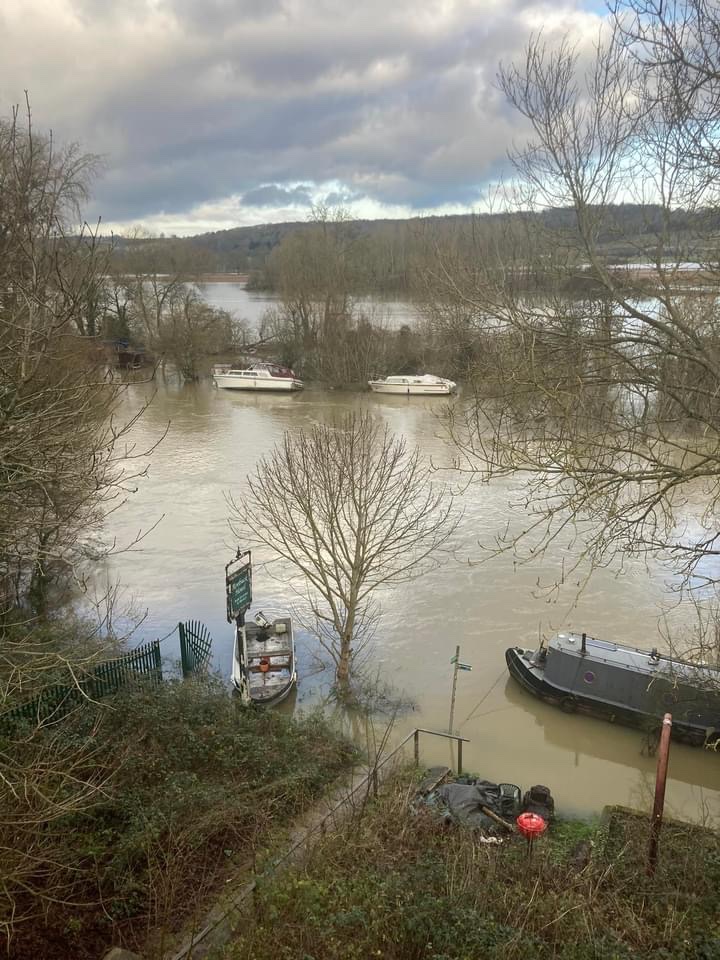
Not a lot of winter angling pressure on the Thames these days
Economics
I’ve made it my business to find out what increases footfall in tackle shops and the answer is always the same. Good fishing and good weather. In economic terms it always struck me as slightly mad that we stop people from going fishing in March just as the sport is getting good and weather is improving. Plus an extra month’s fishing at this time of year would take in the all important Easter holiday period in most years which is a great time to get kids and families back into fishing.
My colleague Matt Maginnis, the experienced Midlands match angler, has helpfully been busy crunching some numbers on the economics of an increased period for river fishing.
He calculates that when all the multipliers are taken into account including tackle, bait, permits, lunch and travel the figures work out as follows:
Pleasure angling per day – £75
Pleasure angling with overnight accommodation – £190
Match fishing per day – £110
3 day match festivals – £690 per angler and £30,000 per festival.
Now an additional month’s river fishing in the Spring could see upwards of an additional half a million pounds spent with more pleasure anglers on the bank and extra high value angling festivals on the Trent, Thames, Wye, Warwickshire Avon plus the Norfolk and Yorkshire rivers. All of which would bring in much needed revenue to local communities.
Matt does add this caveat:
‘These figures are basic and they should be subject to weightings and multipliers to produce a full Gross Value Added figure and a figure for how many full time equivalent jobs would be supported across the fishing and hospitality industries. It could make a critical difference to the fundamental viability of some businesses within these industries.’
He suggests other benefits would include:
- health and well being from increased participation
- Environmental through great presence on the bank
And I have to say I think he makes some good points. For those interested I have included a downloadable pdf of Matt’s desk top study HERE.
Where Matt and I differ is the extent of the closure period. If I’ve read him correctly he would favour a substantially reduced river close season with fishing resuming either on June 1st or on the 16th as is presently the case. Whereas I believe we start at least a week too early, certainly when it comes to chub and barbel.
And should the rivers eventually open a week or so later in June, clearly this would have some impact on the tackle trade but with weather usually set fair at this time of year it’s difficult to find many anglers who would not be fishing somewhere on either a canal or stillwater when the sport can be excellent.
Conclusion
These views are my own but I’m putting them out there once again because they are based on facts, evidence and a close engagement with this issue over many years. If anyone still thinks the current river close season dates make any sense after reading this and the evidence that underpins these arguments then there is little more I can say.
Climate change is inevitably going to to reduce winter angling pressure on fish stocks and there are strong economic arguments for allowing river fishing into mid-April before the majority of coarse fish are getting ready to spawn.
Of course I respect those friends of mine who want to retain the close season tradition or who think that the experience of lifting the close seasons on canals and rivers in 1996 and 2000 demonstrates that there would be no consequences if this were extended to rivers too. I just don’t think the facts justify either position which is why I’m a reformer on this issue.
At the very least the Environment Agency owe us the courtesy of explaining why there has never been a full study on the impact of the removal of the close season on canals and stillwaters and how this might inform this debate.
I’ve been told that fish don’t feed when they are spawning. Well I’ve caught too many manky chub and barbel whose eggs and milt I watched go to waste to fully accept that argument. In these days of increased siltation I know how difficult it is for gravel spawning species to find suitable substrate to give their eggs a decent chance of survival and how vital it is that they are left to complete their reproductive cycle without anglers or canoeists disturbing them. And on that point, while we remain locked in battle with the powerful lobby that is Canoe England who continue to demand 365 day universal access across every river and stream in the country, how daft would we be to give away the one powerful argument in our favour that anglers take steps to protect spawning fish from disturbance?
Our rivers are under massive and increasing pressure from population growth, abstraction and pollution from both sewage and agriculture. Our fish are having a hard enough time as it is so I want to see them given the best possible chance to thrive and prosper. So that says to me that we need a river close season but for goodness sake let’s have one that makes some sense.
Martin Salter
4th May 2026


well put Martin. Yes totally agredcto pike dates changing. As to the rest I’ve always said abolish & let clubs set their own river close season. They know their stock & where each species thrives & spawns.
Totally agree with the comments regarding the present dates, however the barbel on my river which is fairly shallow and much smaller than our 4 main ones, always start spawning ( upto 3 times per season ) end April/ start of May according to temperature and levels. This meaning a good season end of mid April ( 14th) would be appropriate. Not quite sure about season start, but all I can say is that our presence on the rivers can only assist in the saviour of our species regarding the predation they have to suffer. Regarding other water wildlife ( moorhens etc ) I can never understand how canoeists and other small boaters should not have their own close season, especially on the smaller waterways.
Why have we go a close season at all, there is no close season in most of Europe and closer to home no closed season in Scotland or Ireland (N or S)!
Martin probably won’t be surprised to see I’ve piped up on this one, having been a staunch advocate for retaining the close season throughout my life. I must begin though by saying I think Martin’s piece is excellently researched and that he makes some very persuasive arguments. It’s certainly a refreshing change from some comments which appear in the angling media at times, most of them from folk wanting to organise more matches or simply to fish whenever it suits them; usually with little concern for their quarry which they seem to view as mere commodities. Martin isn’t looking to abolish the close season, just to change the dates and I can’t argue with his observations that in many ways, the present situation is far from ideal. However in order for anything to be enforceable it would have to be completely unambiguous. Separate seasons for predator fishing for instance could present an immediate problem if the police or courts became involved in proving whether or not an individual was breaking the law (baits, tackle, angling method, alleged target species etc.). On the other hand, the very last thing any of us would want is a close season running from say the beginning of February until the end of June; which would be about the only way of ensuring universal protection for all coarse fish species.
However it’s hard to argue with the climate issue. Even a diehard like myself is forced to recognise the change which has occurred in recent years, with massive, prolonged and repeated winter floods finally abating in early March, often leaving just a few days available for fishing before the close season arrives. Then around mid-June, temperatures soar whilst the fish are either still spawning or recovering from their exertions. So if it was down to me – and this might surprise some people, I could support a change of dates from say 1st April to 30th June. Yes I’d keep it to a full three month break though as fish don’t just need protection whilst actually spawning; but also when they’re feeding hard in the weeks prior to that – and of course in the period immediately afterwards. Both being times when they’re exceedingly vulnerable to angling pressure and repeated handling. Nor do I accept the allegation that roach somehow require minimal protection. Anyone fishing for still water roach in April – arguably the most popular time for targeting them these days, can’t fail to have noticed how fragile their scales become as spawning approaches; with patches of raw exposed flesh a common feature once spawning activity (which isn’t always immediately obvious with these smaller species) begins. The prospect of these fish being stuffed into keepnets at such times is unthinkable – but would some people even notice? Like Martin I’ve also caught lean, out of condition chub at the season’s start and have witnessed the disgraceful spectacle of anglers deliberately casting baits among spawning barbel on the shallows in mid-June. Sometimes, it seems we also need protecting from our own over-zealousness.
Also, we must remember that these are wild river fish we’re talking about; and all the more precious for it. We need to ensure they continue to thrive despite the increased threats posed by floods, pollution and predation. Severe floods for instance can strand thousands of fry in fields or wash them out to sea, destroying entire year classes so it’s not just angling pressure (or lack of it) which we must consider. Disturbance by non-angling activities such as canoeing and wild swimming is of course relevant but these people don’t deliberately set out to capture and handle live creatures and although their activities will negatively effect spawning fish, the approach needed to tackle them is entirely different and must involve sensible negotiation at both national and local level, in order to encourage people to avoid spawning sites both during and also after spawning, when the unhatched eggs are extremely vulnerable.
Of course, a close season in late spring/early summer won’t protect spawning pike, so how do we deal with that thorny subject? It’s an open secret that the prime time for targeting pike with fly gear on Reservoirs is during April and May, when they move into shallow water post-spawning. They become even more susceptible to stress during the summer months and pike anglers continue to disagree among themselves over the rights and wrongs of targeting them at these times. The present close season at least offers river predators some level of protection here; whereas I suspect that any attempt to limit pike anglers activities during February and March too, possibly their favourite time for fishing, wouldn’t go down at all well amongst many of our fellow Angling Trust colleagues.
As for the close season having an adverse effect on the Angling Trade; It was there throughout the sixties and seventies (as were Martin and myself) when a lot of these people’s predecessors first entered business and it certainly wasn’t an issue then. As I fondly recall, June 15th often found the proprietor or his spouse rushing back and forth from the kitchen with huge pots of tea for all the assembled anglers eagerly swapping stories inside and outside their local tackle shop, as they impatiently whiled away the final hours of waiting. It was like Christmas Eve in midsummer and we foolishly let it all go. The first real blow to the Trade came in 1995 when the close season on still waters was lifted and thousands of anglers no longer took up trout fishing, hitherto a fast-growing branch of the sport. Many also became fair weather fishermen, content to sit alongside heavily stocked ponds during the warmer months where they could park just a few short yards away. The birth of the internet soon followed, coupled with the mass importation of cheap goods from abroad and we’ve seen how disastrously that’s affected all our retail trades, not just angling.
Also we must remember that the 1995 relaxation wasn’t originally intended to be applied to all still waters. It followed lobbying by the commercial sector who argued, logically at the time that as their heavily stocked waters weren’t reliant on natural recruitment; their businesses should be exempt from the existing legislation. The EA’s predecessor, the National Rivers Authority however decided to simplify matters by applying it to all still waters, leaving it to clubs and fishery owners to determine its application. Whilst such an arrangement might work on lakes I can’t see how it could possibly be applied to rivers (as some have argued) where separate fishery interests often control opposite banks. We must also recognise too that a lot of rural crime, such as fish theft and poaching takes place in springtime. Without a close season, our over-stretched EA and Rural Crime officers would struggle to bring any cases of illegal fishing to court and they do try – despite all the criticism that’s aimed at them. So we really mustn’t risk throwing the baby out with the bath water here, hence my overall reluctance to make any changes to the present legislation. It’s clearly not perfect but it’s all we’ve got.
Finally, as I’ve mentioned in previous debates on this subject, maintaining a close season enables us to maintain the moral high ground on fish welfare. Like it or not, we anglers are going to come under increased scrutiny from, amongst others the newly formed ‘Rights of Rivers’ movements which are gaining momentum everywhere, encouraged by all the recent furore over the declining state of our rivers as a result of water industry mismanagement. Seemingly well-intentioned these people might be but a lot of their support comes from the animal rights/green agenda brigade, which is inherently opposed to all country pastimes including angling. Let’s not give them any excuse to criticise us.
So good luck Martin if you do try to propose a change but I think you’ll find it tricky to arrive at a solution which satisfies everyone, so be careful what you wish for. ‘The Devil You Know’ might indeed make some sense after all.
Stewart Allum
May 2026
I personally am with you largely,but my argument has always been that how can you differentiate between the fish in a Stillwater/ canal that you can fish for all year round and the fish in the rivers that apparently need a break for a breeding season. Totally nonsensical.
Get rid of the close season. It does nothing for the fish or the river. Many rivers are unfishable through the summer due to boats, kayaks etc and flooding during winter. Remove the river close season.