I guess every lifelong river angler has a special affiliation with a particular river or stream. These relationships can be close, even intimate, and it often takes something seismic or equally eye-opening for favourite fishing place to be knocked off its perch. For me, it was always the Kennet. Somewhere that in its glory was “as close to fishing heaven” as a river could ever be. But that was before the canal reopened in 1990 puking silt over the once golden gravels, colouring the once crystal clear water and killing off much of the lifegiving ranunculus. Fish recruitment plummeted as gravel spawning habitat declined and those few fish that did manage to find somewhere to lay their precious cargo of eggs soon had them mopped up by the newly arrived army of signal crayfish. Fortunately, plans are in hand to try and restore the Kennet to something approaching its former glory with the opening of the groundbreaking Kennet Coarse Fish Hatchery – a collaborative project involving clubs and fisheries across the catchment and led by my friend and colleague, Del Shackleford, the Fishery Manager at Reading & District AA. However, this is a long term project and in the short term I’ve found myself looking further afield for the quality river fishing I once had on my doorstep.
Travelling to the Trent
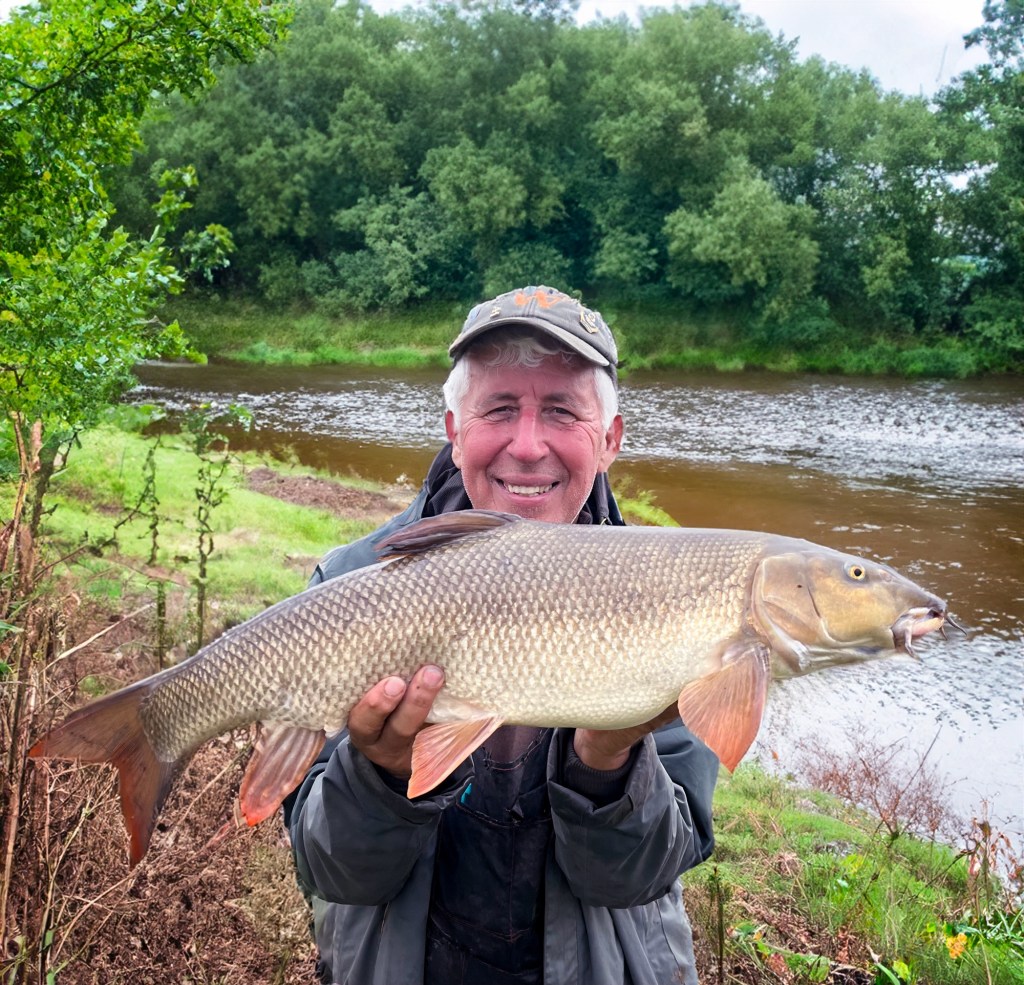
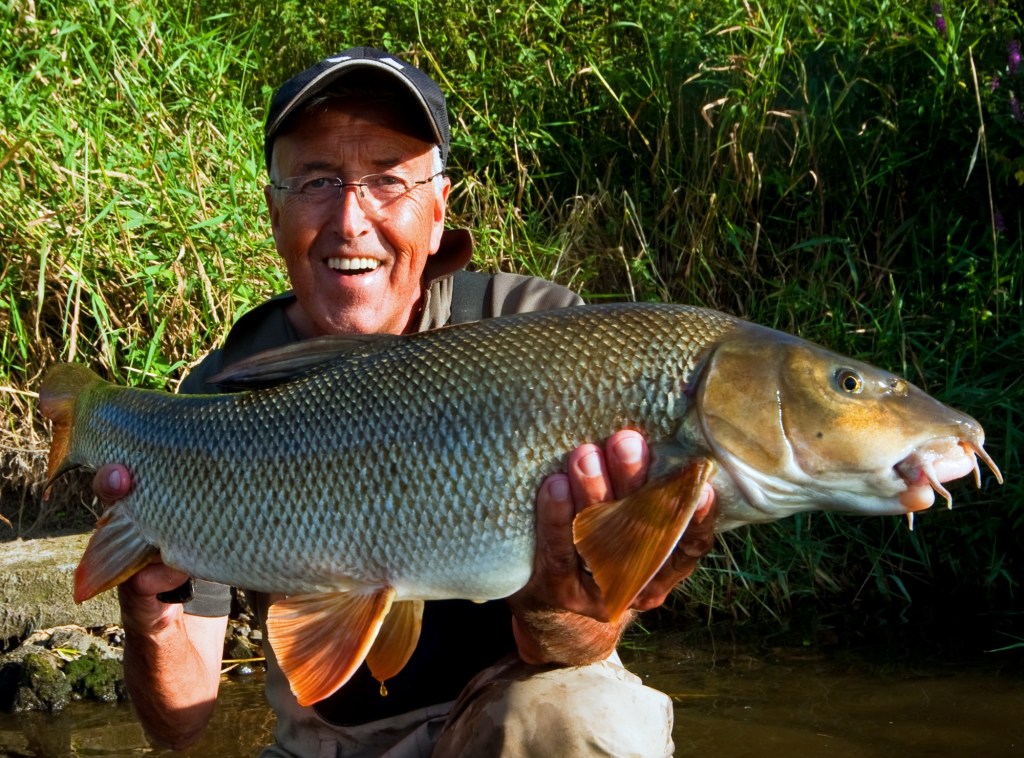
Which is how, some four years ago, I found myself on the banks of the mighty Trent. It was a cold frosty day and the river was in flood. Although I blanked I’d seen enough to begin a new love affair with this wonderful river. Roll forward and I can now honestly say that in terms of barbel fishing the Trent has surpassed anything the Kennet had to offer in its glory days. Back then an eight pounder was a good barbel and doubles very rare indeed. But we didn’t care as on the right day in the right swim catches of 30 barbel were possible on the float. Now, some 40 years later, this is once again achievable on the Trent with the only difference being that the fish tend to range from five pounds to fourteen. This summer the Trent gave me a personal best float caught barbel in amongst bags of up to 16 fish. I even had them coming up in the water competing for the bait after a few hours of constant feeding. Hooking nine pounds or so of angry barbel three foot deep in seven foot of water next to a snag it calls home is challenging to say the least. But those nice people at Cadence do some very fine power float rods which, when coupled with 10 or 12lbs Daiwa Tournament SF float line, can stop a small car if required. This really is champagne fishing at its best.
Bob Roberts
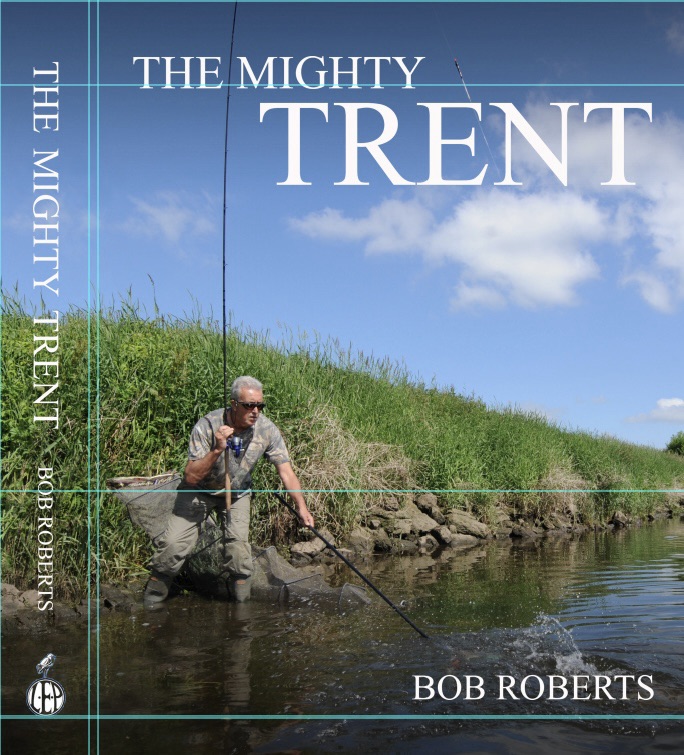
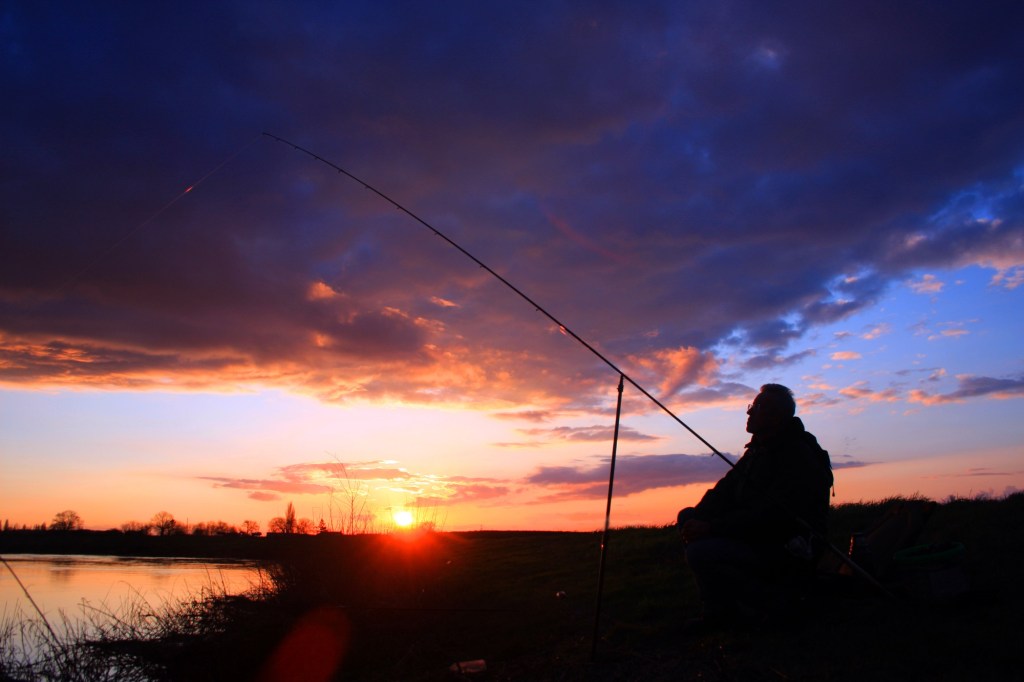
Like many anglers I’ve long been an admirer of the Doncaster all-rounder Bob Roberts whose no nonsense writing is a breath of fresh air amongst the acres of dross that sometimes passes for angling journalism. Bob is a passionate advocate for the Trent and I was delighted when he asked me to review his latest book. The Mighty Trent is a both a love letter to one man’s favourite river and a fascinating insight into how Britain’s third longest river bounced back to become the premier venue for coarse fishing in running water. The book also details how fishing has changed over the 60 years that Bob has walked the banks of the Trent starting with trips to the Newark Dyke with his step-father. Very few people had cars in those days so the weekly journey south to the Trent was undertaken by bus and train, something almost entirely alien to the modern generation of anglers, many of whom demand swims provided directly behind their cars.
The Death of the Trent?
In the 1960’s the Trent was a very different river. It was slowly recovering from the catastrophic cyanide pollution of 1953 which wiped out much of the river downstream from Beeston. However, it was still taking vast amounts of often poorly treated sewage effluent from Birmingham, Nottingham and Derby. Bob recalls the river ‘stinking’ at Newark and the only fish seen in any numbers were roach and gudgeon. This was a far cry from the previous century and the days of J.W Martin – the ‘Trent Otter’ – whose barbel catches were the stuff of legend. And not just barbel, for in 1880 the Trent salmon catch returns recorded 3000 fish landed although this was soon to plummet as the ravages of the Industrial Revolution began to take hold. In 1951 the Prevention of Pollution Act was passed forcing the water authorities to start to clean up their act and by the 1970s the roach population had boomed with stretches like Burton Joyce becoming a mecca for match angling. Great fishing spawns great anglers and Trent specialists such as John Dean, Ted Stokes, John Moult, Frank Barlow and Pete Warren soon became revered figures in the burgeoning match fishing scene. It was amongst such exalted company that the young Bob Roberts served his angling apprenticeship beginning with club matches with Toll Bar and other local clubs from the age of 14 and winning his first open at 16. He goes on to enjoy success in team fishing with Silstar Goldthorpe before falling out of love with match fishing but remaining enamoured with his beloved Trent.
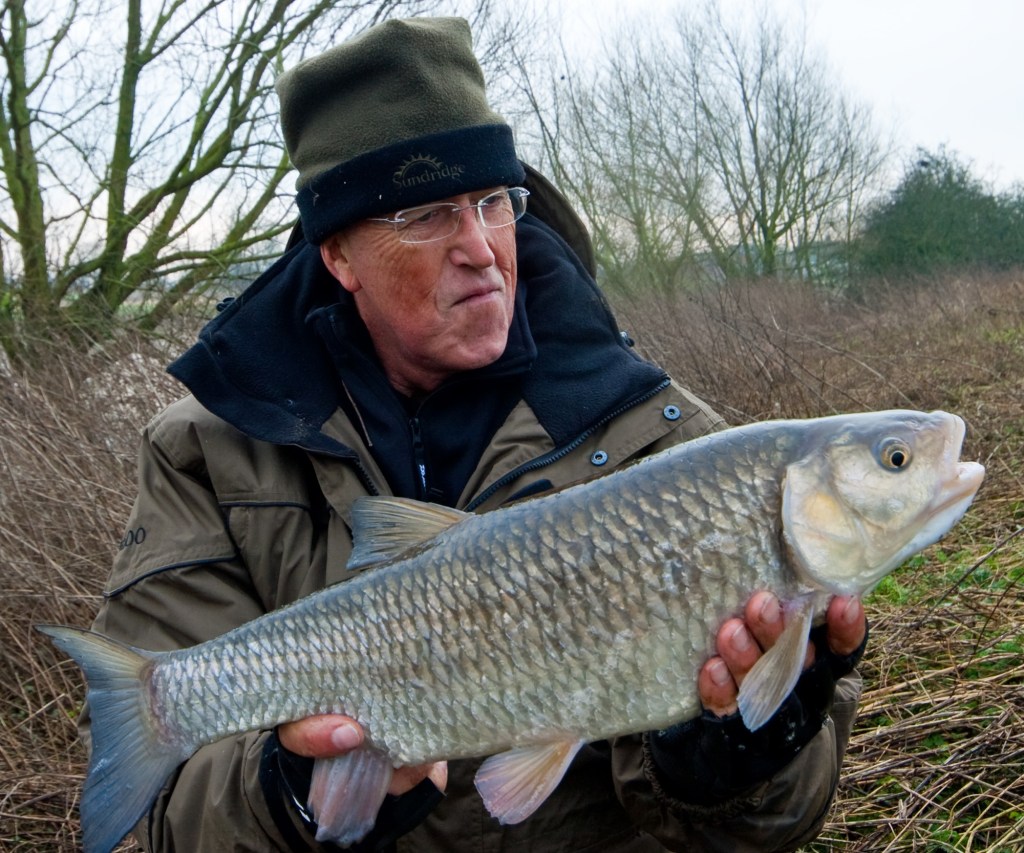
As the river cleaned up and cleared and the warm water from the power stations decreased the Trent underwent yet another change. The chub population soared and the roach, always a fish more tolerant of mild pollution, went into decline, ably assisted it has to be said by hordes of cormorants. The Division 2 National in 1998 saw only 170 anglers out of 984 put more than a kilo on the scales prompting the Angling Times to spectacularly jump the gun with its famous obituary headline – ‘The Day the Trent Died’. Bob of course was having none of it and argued that the emergence of pods of small barbel and the spread of chub was simply a sign that the river was in transition and that anglers need to become more adaptable. And the rest as the say is history.
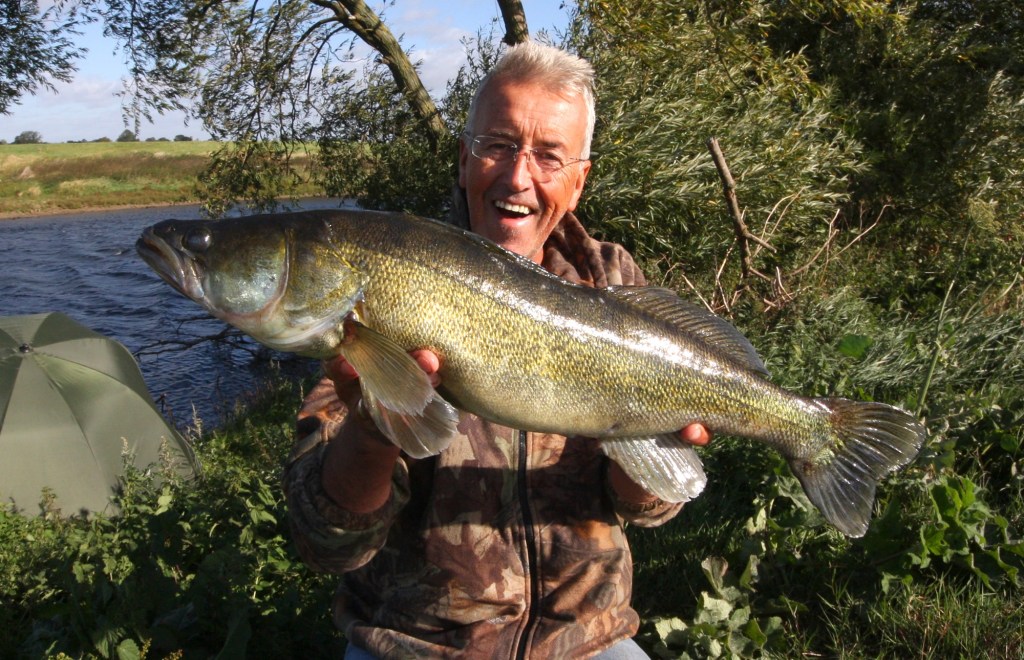
The Mighty Trent brings the reader right up to date with the changes to this incredible river. There are inevitably several chapters on barbel fishing and Bob pulls no punches when it comes to expressing his views on the influence of long stay carp tactics on wild river fishing. Something with which I wholeheartedly concur. But the Trent is so much more than a barbel river and Bob describes how he and his friends have successfully pursued specimen perch, carp, roach, bream, pike and chub and more recently zander, a fish with which I’ve yet to make an acquaintance. There are bonus chapters by the bait guru and Bob’s longtime friend Archie Braddock, one from England international Cam Hughes on pole fishing the river, some interesting stuff on moon phases and how they impact on barbel fishing and even a chapter on restocking from Alan Henshaw from the Environment Agency’s acclaimed fish farm at Calverton.
Interwoven with the angling history of the Trent is an insight into Bob’s personal life which saw the kid from the Yorkshire mining village of Bentley leave school at 16 with next to no qualifications and rise through the ranks of the railway industry to become a senior engineer by way of a dalliance as a college rock promoter, booking bands such as Dire Straights, The Jam and the Sex Pistols. But it has not all been plain sailing for Bob as tragedy struck when he lost his beloved wife Christine in 2002, followed later by a diagnosis for the life threatening Polycystic Kidney Disease which eventually saw him spending three days a week in retirement undergoing kidney dialysis until a donor could be found. Throughout this harrowing time Bob kept up his prolific record of angling writing with a regular feature in Improve Your Coarse Fishing, columns in his local paper and occasional articles for Angling Times and other publications.
Like all good books this one has a happy ending. Bob is happily remarried and the world of angling provided him with a generous kidney donor and a new lifelong friend. That is a story for him to tell and the book is worth reading just for this. For any angler who loves river fishing The Mighty Trent is a ‘must read’. It explodes a few myths, shows how things can really get better and gives us more than a few useful hints on how to put more and better fish on the bank.
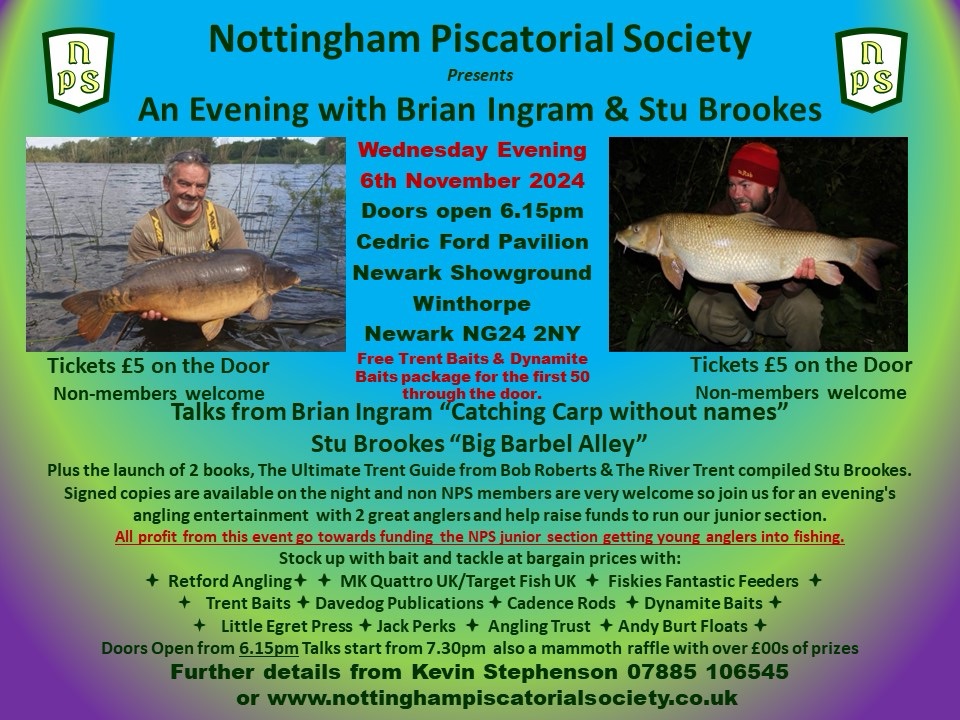
It is to be officially launched at the Nottingham Piscatorial Society annual speakers evening on November 6th where I shall be talking more about the battle to clean up our rivers. Details below.
Copies are also available from Little Egret Press here – https://thelittleegretpress.co.uk/pre-orders/
Last Word
Although a relative Trent novice I still feel a strong affinity with this book. My own journey into angling followed a similar path but on the Thames and it’s tributaries rather than Trent whose spell I’m now firmly under. The introduction is written by my good friend and travelling companion Keith Elliott who describes Bob Roberts as “the man you’d pick to catch you a fish if your life depended on it”
For me the last word belongs to the man himself when he concludes with the message – “Now is the greatest time to be fishing Britain’s greatest river”. Get the book and find out why.
 Fighting For Fishing